Meditation is often presented today as a simple wellness technique: ten minutes a day with an app, a cushion and a calm voice. Yet its roots go back thousands of years to the forests and ashrams of ancient India, where two great spiritual traditions, Hinduism and Buddhism, developed it into a complete path of inner transformation.
The two traditions share a common cradle, use many of the same words and even some of the same postures. At the same time, they understand the goal of meditation, and the nature of the self who meditates, in very different ways. Understanding both helps any practitioner, religious or not, sit with more clarity.
Shared Roots in Ancient India
Long before the Buddha, meditative practice was already part of Indian spiritual life. The Upanishads describe seekers turning inward to discover the ultimate reality, and yogic techniques of breath control and concentration were widely taught. Siddhartha Gautama himself trained under two renowned meditation teachers, Āḷāra Kālāma and Uddaka Rāmaputta, mastering deep states of absorption before setting out on his own path.
Because of this shared history, both traditions use terms such as dhyāna (in Pali, jhāna), samādhi, karma and dharma. They agree that the untrained mind is restless and that disciplined attention can free a person from suffering. Where they part ways is in what that freedom ultimately looks like.
The Goal: Union with the Absolute or Liberation from Craving?
In most Hindu schools, meditation leads to moksha, liberation from the cycle of rebirth through the realisation that the individual self (Ātman) is one with, or eternally related to, the ultimate reality (Brahman) or a personal God. The meditator looks inward to discover a true, unchanging Self.
Buddhism takes a strikingly different view. The Buddha taught anattā, or “non-self”: when we observe the body and mind closely, we find no permanent, independent self at all, only changing processes. Meditation leads to nirvāṇa, the extinguishing of craving, aversion and delusion. Freedom comes not from finding the true Self but from seeing through the illusion of a fixed one.
| Concept | Hinduism | Buddhism |
| Ultimate goal | Moksha: liberation and union with Brahman or God | Nirvāṇa: the end of craving and suffering |
| View of the self | Ātman, an eternal true Self | Anattā, no permanent self |
| Key text | Upanishads, Bhagavad Gītā, Yoga Sūtras of Patañjali | Satipaṭṭhāna Sutta, Visuddhimagga, Mahāyāna sūtras |
| Role of the divine | Often central (devotion to a deity) | Not required; focus on the mind itself |
| Typical guide | Guru | Teacher and the Sangha (community) |
Core Techniques in Each Tradition
Hindu meditation practices
- Mantra japa: repeating a sacred sound or phrase, such as “Om” or a divine name, often with a string of 108 beads (a mala).
- Dhyāna in the eight limbs of yoga: Patañjali’s Yoga Sūtras describe a path from ethical conduct and posture to breath control, withdrawal of the senses, concentration, meditation and finally samādhi.
- Prāṇāyāma: breathing exercises that calm the nervous system and prepare the mind for stillness.
- Bhakti meditation: loving contemplation of a chosen deity, where devotion itself becomes the path.
- Self-inquiry: in Advaita Vedānta, repeatedly asking “Who am I?” to trace awareness back to its source.
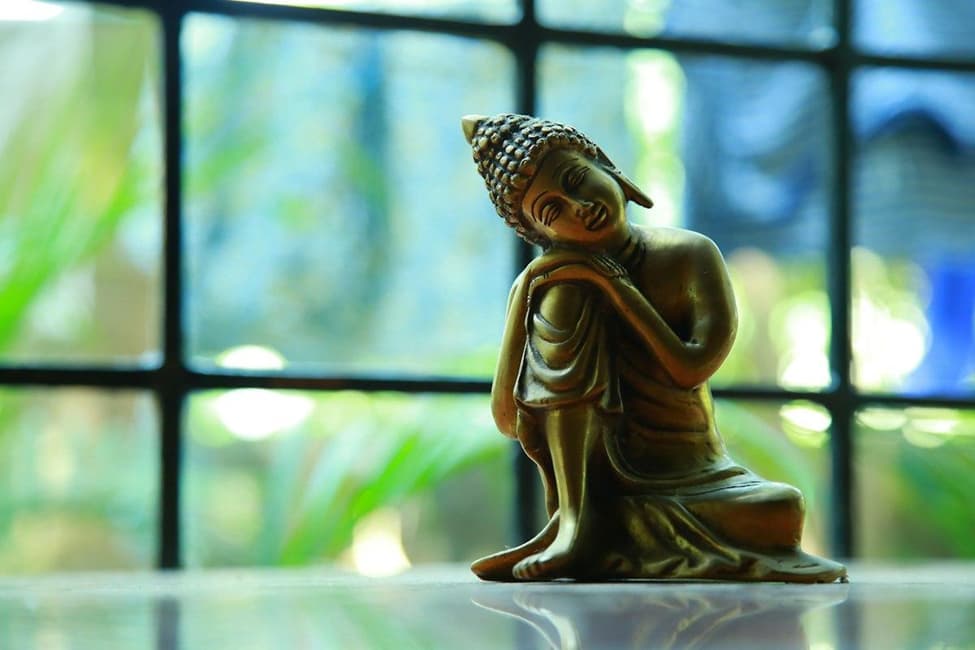
Buddhist meditation practices
- Samatha (calm abiding): resting attention on a single object, most often the breath, until the mind becomes steady.
- Vipassanā (insight): observing sensations, thoughts and emotions as they arise and pass, revealing impermanence and non-self.
- Mettā (loving-kindness): deliberately cultivating goodwill towards oneself and all beings.
- Zazen: the “just sitting” practice of Zen, with open awareness and minimal technique.
- Visualisation: in Tibetan Buddhism, detailed imagery of enlightened figures and mandalas.
Key Similarities
- Both see the ordinary mind as scattered and conditioned, and both treat meditation as training rather than relaxation alone.
- Both emphasise ethical living as the foundation for meditation.
- Both use concentration on the breath, sound or an image to steady attention.
- Both describe deep states of absorption and value the guidance of an experienced teacher.
- Both aim at liberation from suffering and from the cycle of rebirth.
Key Differences
- Self: Hinduism seeks the true Self; Buddhism questions whether any lasting self exists.
- God: devotion to a deity is central in many Hindu paths, optional or absent in Buddhism.
- Method: Hindu practice often culminates in merging concentration; Buddhism adds insight practice to see how experience is constructed.
- Authority: Hindu schools draw on the Vedas; Buddhism rests on the Buddha’s teaching and direct investigation.
Meditation as a Remedy for Modern Impatience
Both traditions speak powerfully to a problem that feels very modern: our discomfort with waiting. We refresh delivery trackers, check banking apps several times a day and search for answers like bets.io withdrawal time the moment a payment request is sent. Each small wait becomes a small source of stress.
Hindu and Buddhist meditation train the opposite habit. Sitting with the breath, noticing the urge to check and letting it pass, teaches that restlessness is just another sensation that arises and fades. Over time, patience stops being an effort and becomes a natural state of mind.
What Beginners Can Take from Both
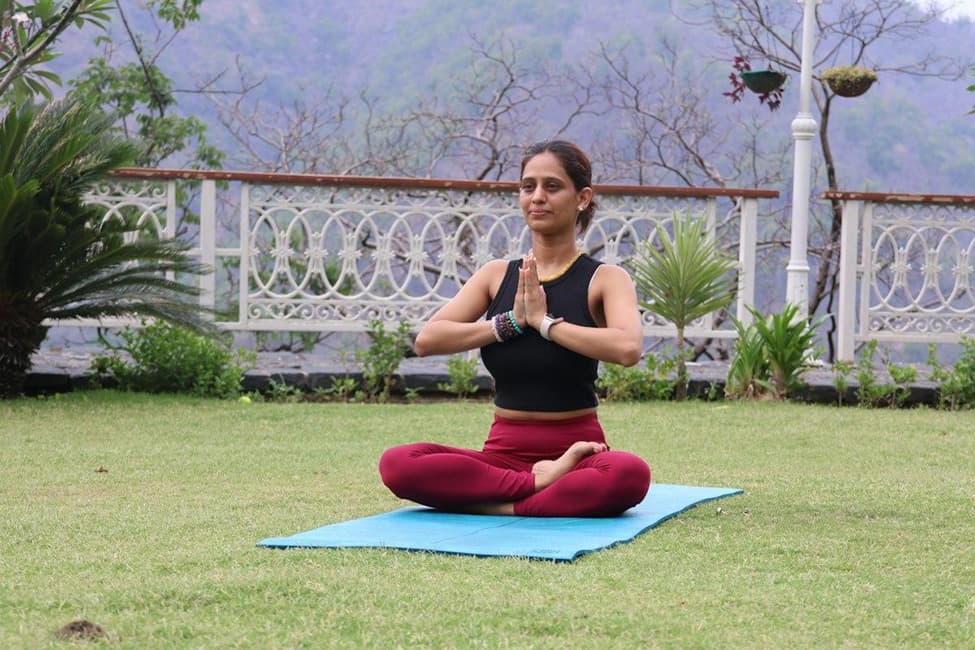
You do not need to choose a religion to benefit from these teachings. A simple routine might borrow from both traditions: begin with a few rounds of slow prāṇāyāma breathing, then sit for ten minutes observing the breath in the Buddhist style, and close with a short mantra or a wish of loving-kindness. Consistency matters far more than duration.
Buddhism and Hinduism answer the deepest questions differently, but they agree on the practical point: a quiet, attentive mind is the doorway to a freer and kinder life. Exploring both can deepen respect for each and enrich your own practice.